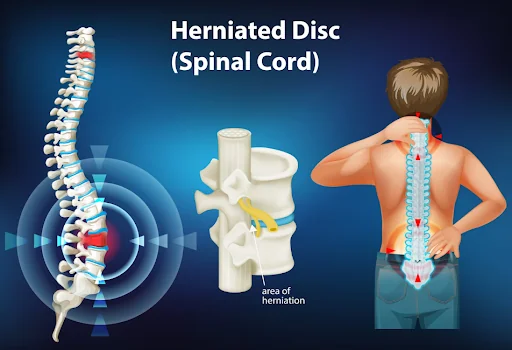
A disc herniation occurs when the inner, jelly-like material of the disc bulges out through a tear in the outer wall. A disc herniation is a condition that affects the discs in your spine. The discs are the cushions between the vertebrae, and they act as shock absorbers. Each disc has a tough outer layer and a soft inner core. If the outer layer tears, the inner core can bulge out and press on the nerves nearby. This can cause pain, numbness, or weakness in your legs or arms.
A disc herniation is also called a slipped disc or a ruptured disc. Disc herniations are fairly common. They often happen when you lift something heavy or put stress on your back. But they can also happen due to aging or wear and tear on the discs. Disc herniations are fairly common, and they can occur at any age. However, they are most likely to occur in people between the ages of 30 and 50.
The most common symptom of a disc herniation is pain. This pain can be either sharp or dull. It may radiate from the affected area and into the legs or arms. Other symptoms may include numbness, weakness, and tingling sensations. If you think you may have a disc herniation, it is important to see a doctor for an accurate diagnosis.
Herniated discs can herniate anywhere along the spine and, as a result, people with certain genes may be more likely to develop these conditions. The condition is typically caused by degeneration over time which weakens ligaments that hold together your spinal cord’s individual segments (discs). This allows for some minor trauma or stretching action throughout daily life – even if you’re otherwise healthy.
In most cases, a herniated disc is the result of a combination of these factors. When a disc becomes herniated, it can put pressure on nearby nerves, leading to pain, numbness, and weakness. In severe cases, a herniated disc can cause paralysis. Treatment for a herniated disc typically involves rest, pain relief, and physical therapy.
What are the Symptoms of Herniated Disc?
Herniated discs most commonly occur in the lower back, but they can also occur in the neck and other parts of the body. Symptoms of a herniated disc vary depending on the location of the herniation. For example, a herniated disc in the lower back may cause pain that radiates down the leg. A herniated disc in the neck may cause pain that radiates into the arm. Additionally, many people with a herniated disc report experiencing general back pain and muscle spasms.
In some cases, a person will have no symptoms. However, common symptoms can include:
Numbness or tingling: When the disk presses on the spinal cord, it can cause pain to
shoot down one arm and then the other side of your body. This is called radiculopathy because these nerves are related with function or messages for different parts in our bodies such as arms – which will make you feel like something’s wrong there too.
Muscle weakness: Herniated disks can cause a variety of symptoms, including weakness
in the muscles connected with it. This leads to stumbling when walking and other balance problems that arise due its location just under where you’d expect your backbone would be located on either side.
Arm or leg pain: Pain in the lower back is one of those common symptoms that can be
attributed to a herniated disk. One such thing is pain in your lower back and butt- region as well any other parts like thighs or feet if it has gotten worse over time due possibly being caused by old injuries.
Additionally patients sometimes report calf tenderness too because these symptoms often come along with inflammation related nerve damage (and even though they don’t seem like much -thinks sciatica).
How can you Avoid Getting a Herniated Disc?
One of the most common causes of back pain is a herniated disc. This occurs when the outer layer of the disc ruptures, allowing the inner gel to leak out. By following these simple tips, you can help to prevent a herniated disc from developing.
Using Proper Lifting Techniques
Keep your back straight and bend the knees while supporting weight with one leg. Use strong thigh muscles to help bear down firmly on both feet simultaneously.
Maintaining a Healthy Weight
The lower back is a very important area of the body. If you carry extra weight, it puts pressure on this vital region and can lead to pain in other places as well.
Good posture is more than just looking confident and standing up straight. It’s about aligning your bones and muscles properly to reduce the strain on your body. When you practice good posture, you’re less likely to suffer from pain in your back, neck, and shoulders.
Stretching
Keeping your body active and stretching helps keep you healthy. Stretching breaks are especially important if you often sit for long periods of time.
Exercising Regularly
Focus on strengthening exercises that target your back and abdomen muscles to help support the spine.
Herniated Disc Treatment in Conroe/Huntsville
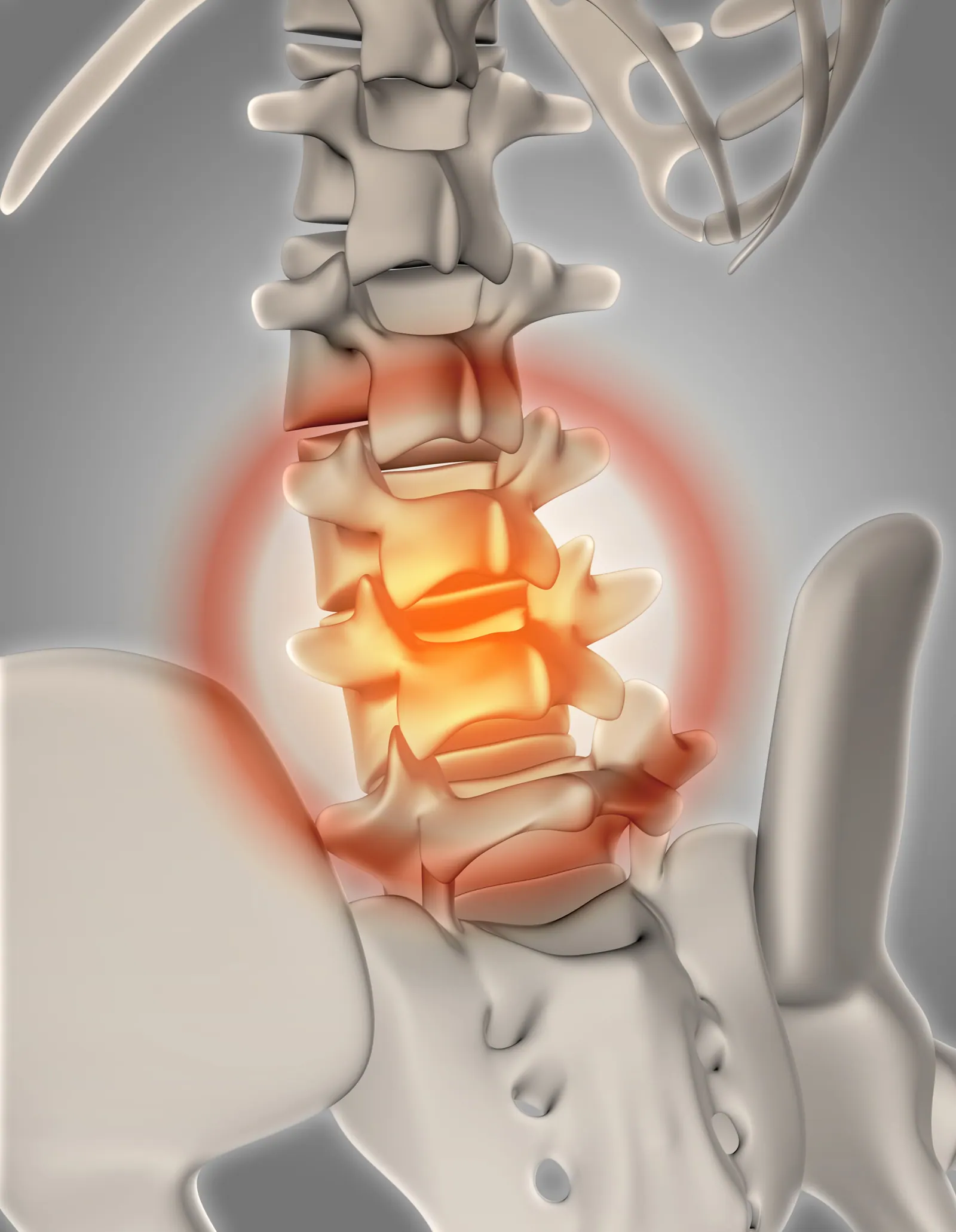
3D render of a skeleton with spine highlighted showing pain
A herniated disc can be a very painful condition, making it difficult to perform everyday activities. Fortunately, there are several treatment options available to help ease the pain and encourage healing. One of the most common treatments is chiropractic care.
Chiropractors in Conroe/Huntsville use a variety of techniques to realign the spine and relieve pressure on the discs. They may also recommend specific exercises to help strengthen the muscles around the spine and improve flexibility.
In some cases, chiropractic care at Rodgers Stein Chiropractic in Conroe/Huntsville may combine with other treatments such as spinal decompression therapy.via The Cox Technic. (www.CoxTechnic.com) It involves slowly stretching the spine in order to take pressure off of the affected disc. The Cox Technic has been shown to be effective in helping people find relief from herniated discs, and it is helping to prevent the need for surgery in many cases.
With proper treatment, a herniated disc does not have to be a debilitating condition. If you are suffering from a herniated disc, decompression therapy may be the treatment option you have been looking for.
Chiropractic Care for Your Herniated Disc in Conroe/Huntsville
Herniated discs are a common spinal injury, and can cause pain and other problems if left untreated. Chiropractic care at Rodgers Stein Chiropractic in Conroe/Huntsville is an effective treatment for herniated discs, and may provide relief from symptoms without the need for surgery.
If you are suffering from a herniated disc, it is important to seek chiropractic care as soon as possible. Chiropractors in Conroe/Huntsville use a variety of techniques to relieve pressure on the spinal cord and reduce inflammation around the disc.
In our fast-paced world, we depend on our hands more than ever before. From typing away at keyboards to scrolling on smartphones, our hands are constantly in motion. Unfortunately, this increased usage has also led to a rise in conditions like carpal tunnel syndrome, a painful and often debilitating affliction that affects millions of people […]
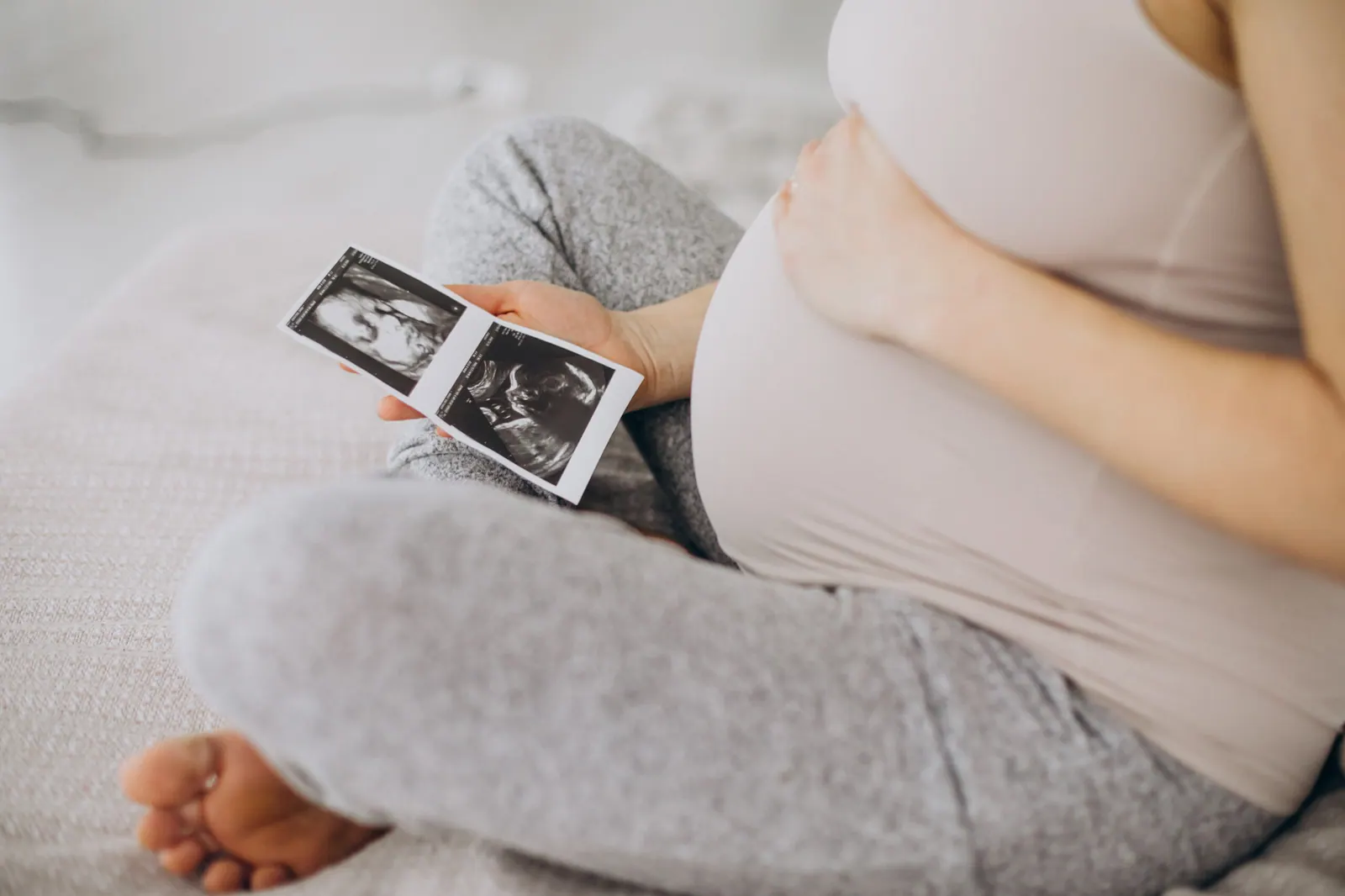
Pregnancy is a time of great change for a woman’s body. As the baby grows, the mother’s center of gravity shifts, and her posture changes to accommodate the extra weight. This can lead to strain on the back and spine, which can cause pain and discomfort. Chiropractic care during pregnancy can help to alleviate this […]
Accidents and injuries are unfortunately not uncommon in childhood, with falls, collisions, or car accidents frequently leading to various types of harm. One such injury that is often overlooked, especially in younger individuals, is whiplash. Whiplash is a neck injury resulting from forceful, rapid back-and-forth movement of the neck, akin to the cracking of a […]